Materials Handling Equipment Selection Guide
A Structured Eight-Step Methodology for Evaluation, Selection, and Long-Term Value. Whether you are outfitting a new facility, upgrading ageing equipment, or optimising an existing operation, this framework will help you make decisions that deliver sustained value.
Introduction
Selecting the right materials handling equipment (MHE) is a strategic decision that directly impacts operational efficiency, workplace safety, and the bottom line. Equipment is typically one of the largest recurring costs in a warehouse operation after labour and property, so making well-informed choices is essential.
This guide presents a structured, eight-step methodology for evaluating and selecting MHE. Each step builds on the last, moving from a thorough needs assessment through equipment evaluation, cost analysis, and supplier engagement. The goal is to equip decision-makers with a repeatable framework that reduces risk and delivers long-term value.
Step 1: Assess Your Operational Needs
Before evaluating any equipment, conduct a comprehensive analysis of your current operations and anticipated future requirements. This assessment forms the foundation of every subsequent decision.
Critical Assessment Areas
Work through each of the following areas systematically. Where possible, gather quantitative data rather than relying on estimates.
Material types: What are you handling? Pallets, cartons, rolls, drums, and specialty items each impose different requirements on equipment design and load handling.
Weight parameters: Establish average and maximum load weights, together with the frequency distribution. Over-specifying capacity wastes capital; under-specifying creates safety risks.
Vertical requirements: How high do you need to lift? Consider stacking heights, racking configurations, and overhead clearance constraints.
Throughput volume: Quantify daily movement counts. Note peak periods and seasonal variations, as these often dictate the fleet size needed.
Environment: Indoor, outdoor, or mixed? Temperature extremes, hygiene standards, and hazardous area classifications (ATEX/DSEAR zones where applicable) all constrain the viable equipment pool. Cold store operation deserves particular attention: sub-zero environments affect battery performance, hydraulics, and condensation on electronics, and typically require cold-store-specification equipment and heated cabins for extended shifts.
Facility constraints: Aisle widths, floor condition, and clearances are covered in detail in Step 4 — but flag any known constraints now, as they shape which categories are worth evaluating at all.
Technology integration: Is compatibility with WMS, ERP, or automation systems required? Retrofitting integration later is invariably more expensive.
PRO TIP: Spend the time to gather hard data at this stage. The most common cause of equipment misselection is inadequate needs assessment, not poor equipment quality.
Step 2: Understand Equipment Categories
Materials handling equipment spans a broad spectrum, from simple manual tools to sophisticated automated systems. Understanding each category's strengths and ideal applications ensures you evaluate only what is relevant to your operation.
Manual and Light-Duty Equipment
Pallet Trucks (Manual or Electric)
Pallet trucks are the workhorse of short-distance pallet movement, truck loading and unloading, and small warehouse operations. Manual versions are low-cost and maintenance-light; electric variants reduce operator fatigue during frequent use. Capacities typically range from 2,000 to 5,500 kg. Best for: Ground-level transport over distances under 50 metres with minimal lifting requirements.
Pedestrian Stackers
Pedestrian stackers offer low-lift stacking in confined spaces such as retail backrooms and light-duty order assembly areas. Capacities usually range from 1,000 to 2,000 kg with lift heights to 5 metres. Best for: Compact, low-cost solutions for light loads in congested areas where ride-on equipment cannot operate.
Stacker Trucks (Pedestrian or Rider)
Stacker trucks handle light to medium stacking duties in workshops, retail environments, and small warehouses. Capacities range from 1,200 to 2,000 kg with heights reaching 6 metres, and their compact footprint suits constrained spaces.
Forklifts and Reach Equipment
Counterbalance Forklifts (Electric, LPG, Diesel)
The general-purpose workhorse of medium to large warehouse operations, counterbalance forklifts handle capacities from 1,500 to over 8,000 kg with lift heights to 7 metres. They require aisle widths of 3.5 metres or more. Best for: Wide-aisle environments needing versatile equipment for varied load types and moderate lift heights.
Reach Trucks
Reach trucks are designed for high-density storage and narrow-aisle operations. Capacities range from 1,400 to 2,500 kg with heights reaching 12 metres or more, and they operate in aisles of 2.7 to 3.2 metres. Because the aisles are narrower, a reach truck layout can accommodate substantially more racking in the same floor area than a counterbalance layout. Best for: Maximising storage density while maintaining good throughput.
Very Narrow Aisle (VNA) Trucks
VNA trucks push storage density to its maximum. They handle 1,000 to 1,500 kg at heights up to 17 metres and operate in aisles as narrow as 1.6 metres using wire or rail guidance. However, they demand excellent floor flatness and significant infrastructure investment. Best for: Space-constrained, high-efficiency warehouses where the infrastructure investment is justified.
Order Pickers
Order pickers serve e-commerce fulfilment, parts distribution, and batch-picking operations. Available in low-level (to 2.5 m), medium-level (to 6 m), and high-level (to 12 m+) configurations, they are purpose-built for frequent individual item picks across high SKU counts.
Specialty and Heavy Equipment
Tow Tractors and Tugs
Tow tractors move multiple trailers in train formation, dramatically reducing trip frequency on assembly lines, in airports, and across large facilities with repetitive transport routes. They are the natural choice for moving many smaller loads over distances exceeding 100 metres.
Container Handlers
Reach stackers and empty container handlers are built for ports, intermodal yards, and distribution centres handling 20ft and 40ft shipping containers at capacities typically between 35 and 45 tonnes.
Cranes and Hoists
Jib cranes (fixed point), overhead cranes (bay coverage), and gantry cranes (portable) serve workshops, factories, and maintenance bays where loads exceed forklift capacity or dimensions.
Fixed Infrastructure Systems
Conveyor Systems
Available in roller (gravity or powered), belt, flexible, spiral, and sortation configurations, conveyor systems suit high-throughput distribution and production line integration with predictable, repetitive routing.
Docking Equipment
Dock levellers, yard ramps, vehicle restraints, and dock shelters improve speed and safety at the loading dock. Any operation loading or unloading multiple trucks daily should evaluate this equipment as a priority.
Pallet In-Feed Systems
Automated pallet supply systems serve manufacturing lines, bottling plants, and packaging operations, delivering consistent, high-volume pallet flow into production without manual intervention.
Automated Solutions: AGVs and AMRs
Automation in materials handling typically takes two forms, each suited to different operational profiles.
Automated Guided Vehicles (AGVs) follow fixed paths using wires, magnets, or tape. They are predictable and reliable but offer lower flexibility. They suit stable, high-volume environments.
Autonomous Mobile Robots (AMRs) use sensors and AI for dynamic navigation. They adapt to obstacles and changing environments, making them ideal for operations that cannot commit to fixed paths.
PRO TIP: Automation is generally easiest to justify in multi-shift operations, where the investment is spread over more working hours. Evaluate AGVs where the environment is stable; choose AMRs where flexibility matters.
Equipment Quick-Reference Summary
The following table provides a high-level comparison across the main equipment categories to support initial shortlisting.
| Equipment Type |
Capacity (kg) |
Max Height (m) |
Min. Aisle (m) |
Best For |
| Pallet Truck |
2,000–5,500 |
— |
N/A |
Short-distance ground transport |
| Pedestrian Stacker |
1,000–2,000 |
5 |
N/A |
Light stacking, confined spaces |
| Counterbalance Forklift |
1,500–8,000+ |
7 |
3.5+ |
General-purpose, wide aisles |
| Reach Truck |
1,400–2,500 |
12+ |
2.7–3.2 |
High-density, narrow aisles |
| VNA Truck |
1,000–1,500 |
17 |
1.6 |
Maximum density, guided aisles |
| Order Picker |
Varies |
12+ |
Varies |
Piece picking, e-commerce |
| Tow Tractor |
Varies |
— |
N/A |
Long-distance, train formation |
Step 3: Evaluate Power Source Options
The power source you choose significantly impacts operating costs, environmental suitability, and total cost of ownership. Each option has distinct advantages and limitations that must be weighed against your operational profile.
| Power Source |
Best For |
Advantages |
Key Considerations |
Typical Use Case |
| Electric (Lead-Acid) |
Indoor, food/pharma |
Zero emissions, quiet, lower energy costs |
8-hour charge cycle, battery maintenance, charging infrastructure |
Clean, single-shift warehouses |
| Electric (Lithium-Ion) |
Multi-shift operations |
Fast/opportunity charging, maintenance-free, longer lifespan |
Higher upfront cost (offset by operational savings) |
24/7 distribution centres |
| LPG |
Mixed indoor/outdoor |
Quick refuelling, good power output, versatile |
Emissions require ventilation, fuel storage and handling per DSEAR/ATEX |
Flexible operations, extended shifts |
| Diesel |
Outdoor, heavy-duty |
Maximum power, durability, all-weather |
Not suitable indoors, higher emissions, noise; check local Clean Air Zone restrictions |
Construction, lumber yards |
| Hydrogen Fuel Cell |
Large fleets, sustainability |
3-minute refuel, zero emissions, consistent power |
Significant infrastructure investment, limited availability |
Large-scale, sustainability-focused |
PRO TIP: Lithium-ion batteries are rapidly becoming the standard for indoor electric equipment. For multi-shift operations in particular, opportunity charging and reduced maintenance often justify the higher initial investment — run the comparison over the full ownership period rather than on purchase price alone.
Step 4: Analyse Warehouse Layout and Infrastructure
Your facility's physical characteristics determine which equipment will operate efficiently and safely. Document these parameters thoroughly before engaging with suppliers.
Critical Layout Factors
Aisle width: Measure your narrowest operational aisle. This single dimension often eliminates entire equipment categories from consideration.
Vertical clearance: Document ceiling heights, obstructions (sprinklers, lighting, HVAC), and maximum rack heights.
Floor condition: Assess levelness (critical for VNA and reach trucks), surface quality, and load-bearing capacity.
Access points: Note doorway dimensions, ramp gradients, and dock configurations.
Infrastructure: Verify electrical capacity for charging, ventilation requirements, and fuel storage options.
Aisle Width Reference
| Aisle Width |
Suitable Equipment |
Storage Density |
| 3.5 m+ |
Counterbalance forklifts |
Standard (baseline) |
| 2.7–3.2 m |
Reach trucks |
High |
| 1.6–2.0 m |
VNA trucks (guided) |
Maximum |
Step 5: Calculate Total Cost of Ownership
Purchase price is only one component of what equipment costs over a typical 7–10 year lifecycle — energy, maintenance, downtime, and infrastructure frequently add up to more than the initial outlay. A comprehensive TCO analysis reveals the true cost of ownership and is essential for comparing options fairly.
TCO Components
Acquisition cost: Purchase price, financing charges, or lease payments.
Energy and fuel: Electricity, LPG, or diesel consumption based on projected operational hours.
Maintenance: Scheduled servicing, wear parts, and an allowance for unexpected repairs.
Operator costs: Training, certification, and productivity differences between equipment types.
Downtime impact: Lost productivity during repairs and the cost of backup equipment.
Infrastructure: Charging stations, fuel storage, and any ventilation modifications required.
Residual value: Expected resale or trade-in value at end of useful life.
Acquisition Routes: New, Used, Hire, or Lease
How you acquire equipment matters as much as what you acquire. Each route suits a different operational profile.
New purchase offers full warranty cover, the latest safety and efficiency features, and maximum working life — at the highest capital cost. It suits core fleet equipment with predictable, long-term utilisation.
Used and refurbished equipment can cut acquisition cost substantially, often by half or more against new list price, and is well suited to secondary duties, lower-hours applications, or businesses building a fleet on a constrained budget. Buy from an established dealer, ask for service history and hours, and confirm the machine comes with a current Thorough Examination report. A quality refurbished truck from a reputable source frequently outperforms a cheap new import.
Contract hire (long-term) bundles the equipment, maintenance, and often Thorough Examinations into a fixed monthly cost over a 3–7 year term. It transfers maintenance risk to the provider, keeps capital free, and makes budgeting predictable — at the cost of total spend typically exceeding outright purchase over the same period.
Short-term rental covers seasonal peaks, breakdown cover, one-off projects, and trial periods before committing to purchase. Rates are higher per week, but there is no long-term commitment.
PRO TIP: Hire and lease are particularly attractive when volumes are seasonal, technology is evolving quickly, or preserving capital is a priority. Always compare routes on a TCO basis, and review capital allowances and tax relief options with your accountant — the treatment differs significantly between purchase, hire purchase, and rental.
Step 6: Prioritise Safety and Operator Comfort
Safety considerations extend well beyond regulatory compliance. Well-designed equipment reduces incidents, improves operator retention, and lowers insurance costs. Comfort and ergonomics also have a direct bearing on productivity and staff turnover.
UK and European Regulatory Framework
In the UK, materials handling equipment is governed by several key pieces of legislation. Employers must ensure compliance with PUWER (Provision and Use of Work Equipment Regulations 1998), which covers the suitability, maintenance, and inspection of all work equipment. LOLER (Lifting Operations and Lifting Equipment Regulations 1998) applies specifically to lifting equipment and requires that all lifting operations are properly planned, supervised, and carried out safely. Thorough Examinations under LOLER must be carried out by a competent person — at least every 12 months for most lifting equipment, and at least every 6 months for equipment that lifts people and for lifting accessories, unless an examination scheme specifies otherwise.
The HSE's Approved Code of Practice L117 provides authoritative guidance on rider-operated lift trucks, covering operator training, workplace organisation, and safe systems of work. Operators must hold a recognised certificate of training, such as those accredited by RTITB, ITSSAR, or AITT.
For operations in the European Union, the Machinery Regulation (EU) 2023/1230 — which replaces the Machinery Directive 2006/42/EC and applies in full from January 2027 — sets out essential health and safety requirements for new equipment placed on the market. Until then, equipment may be supplied under either regime, so check which applies to the machine you are buying. Buyers should verify that all equipment carries valid CE or UKCA marking as appropriate.
Essential Safety Features
Active safety: Proximity sensors, automatic speed reduction, collision avoidance systems.
Passive safety: Seat belts, overhead guards, stability systems, blue safety lights.
Operator ergonomics: Adjustable seats, suspension systems, intuitive controls, climate control.
Visibility aids: Cameras, mirrors, clear sight lines, warning lights and alarms.
Telematics: Real-time monitoring of operator behaviour, impact detection, usage patterns, and predictive maintenance alerts.
Training Requirements
Ensure your training programme covers equipment-specific operation, workplace hazard awareness, and refresher schedules in line with L117 and PUWER requirements. Operators of lift trucks must hold a recognised certificate of basic training and be assessed as competent for the specific equipment and workplace. Many suppliers offer training packages accredited by RTITB, ITSSAR, or AITT as part of purchase or lease agreements — factor this into your supplier evaluation.
Step 7: Plan for Scalability and Future Needs
Equipment decisions should account for projected growth and evolving operational requirements over a 3–5 year planning horizon. Replacing equipment that no longer fits your operation is far more expensive than specifying correctly in the first place.
Future-Proofing Questions
- What volume growth is projected over the next 3–5 years?
- Are there plans for automation or WMS/ERP integration?
- Will product mix or handling requirements change?
- Is facility expansion or relocation anticipated?
- Can the equipment platform accommodate attachments or upgrades?
PRO TIP: Where uncertainty is high, consider hire, leasing, or modular equipment platforms that can be reconfigured as requirements evolve.
Step 8: Engage with Suppliers
Work with established suppliers who can provide ongoing support, parts availability, and technical expertise throughout the equipment lifecycle. The quality of the supplier relationship often matters as much as the equipment specification itself.
Supplier Evaluation Criteria
- Request on-site demonstrations using your actual products and operating conditions.
- Negotiate trial periods before committing to major purchases.
- Verify service network coverage and committed response times.
- Assess parts availability and lead times for critical components.
- Review training programmes and ongoing support options.
- Check references from operations similar to yours in scale and complexity.
- Evaluate service contract options, escalation procedures, and renewal terms.
Pre-Purchase Checklist
Before finalising any equipment purchase, confirm that each of the following items has been addressed.
- [ ] Load specifications documented (weights, dimensions, types)
- [ ] Aisle widths and ceiling heights measured and verified
- [ ] Indoor/outdoor/cold store usage requirements confirmed
- [ ] Power source selected with supporting infrastructure verified
- [ ] Acquisition route compared (new, used, contract hire, rental)
- [ ] Operator skill levels and training needs assessed
- [ ] Total cost of ownership calculated (not just purchase price)
- [ ] Capital allowances and tax relief options reviewed with accountant
- [ ] Safety and regulatory compliance verified (PUWER, LOLER, CE/UKCA marking, current Thorough Examination for used equipment)
- [ ] Service and maintenance support confirmed with supplier
- [ ] Scalability and future needs considered over 3–5 year horizon
- [ ] Technology integration requirements documented and validated
Conclusion
Selecting the right materials handling equipment is a strategic investment that shapes operational efficiency for years to come. By following this structured methodology — assessing needs rigorously, understanding the full range of options, evaluating your facility's constraints, calculating true costs, and planning for growth — you can make informed decisions that deliver sustained value.
No guide, however thorough, can replace site-specific expertise. For complex operations or significant capital investments, engage a materials handling specialist to conduct a detailed assessment and provide tailored recommendations. The time invested at the selection stage pays dividends throughout the equipment's working life.
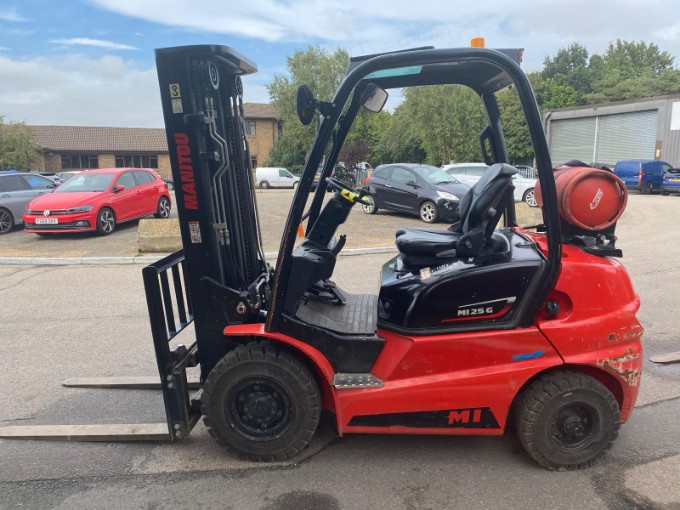
4 Wheel Counter Balance - Manitou - MI 25G
Capacity: 2500 Kgs
Lift Height: 4700 mm
Mast: 3 Stage Full Free
Fuel: Gas
Year: 2022
Status: In Stock
Stock ID: 4516
Price: £14,950
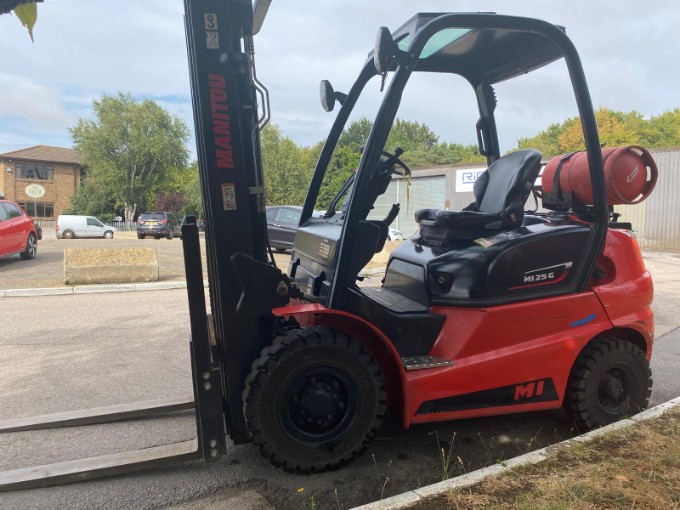
4 Wheel Counter Balance - Manitou - MI 25G
Capacity: 2500 Kgs
Lift Height: 4700 mm
Mast: 3 Stage Full Free
Fuel: Gas
Year: 2022
Status: In Stock
Stock ID: 4529
Price: £14,950
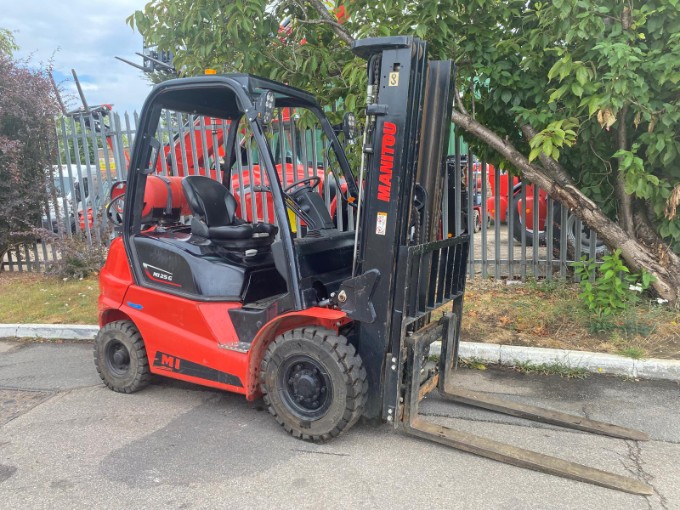
4 Wheel Counter Balance - Manitou - MI 25G
Capacity: 2500 Kgs
Lift Height: 4700 mm
Mast: 3 Stage Full Free
Fuel: Gas
Year: 2022
Status: In Stock
Stock ID: 4515
Price: £14,950
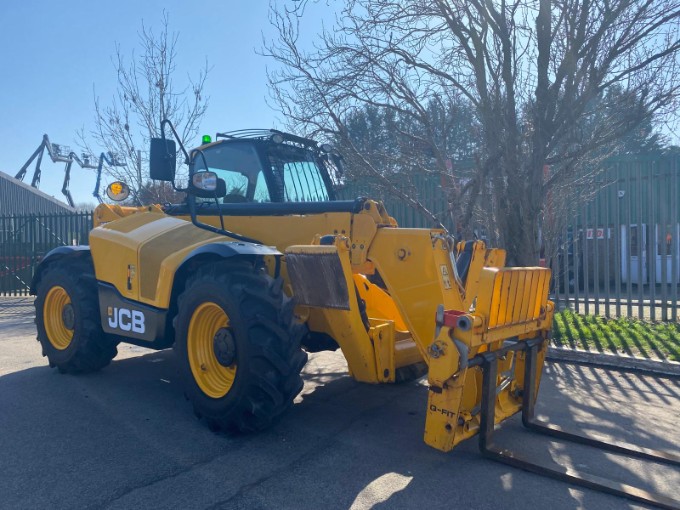
Telescopic Handler - JCB - 533-105
Capacity: (TBA) Kgs
Mast: N/A
Fuel: Diesel
Year: 2023
Status: In Stock
Stock ID: 4393
Price: £42,500
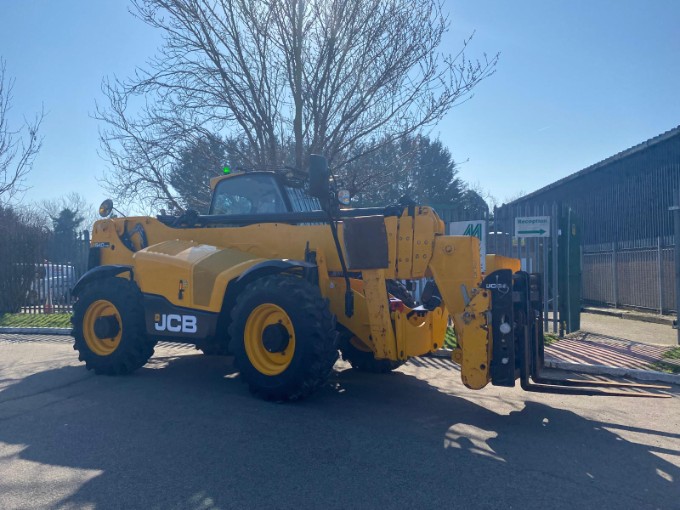
Telescopic Handler - JCB - 540-170
Capacity: 4000 Kgs
Mast: N/A
Fuel: Diesel
Year: 2023
Status: In Stock
Stock ID: 4395
Price: £56,500
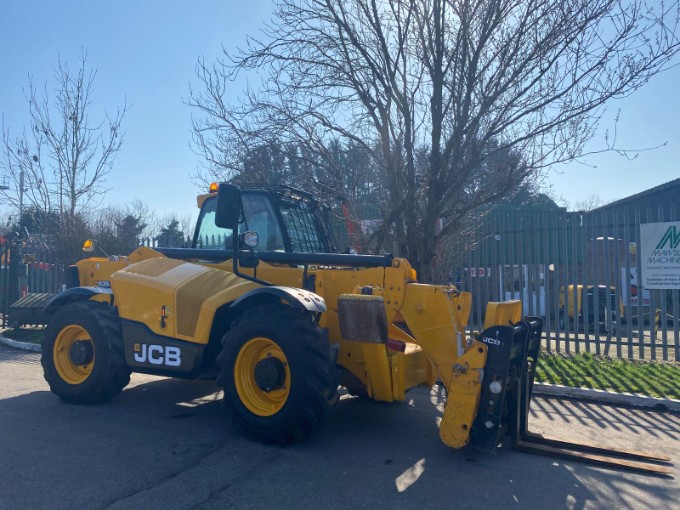
Telescopic Handler - JCB - 535-125
Capacity: 3500 Kgs
Mast: N/A
Fuel: Diesel
Year: 2023
Status: In Stock
Stock ID: 4394
Price: £43,500
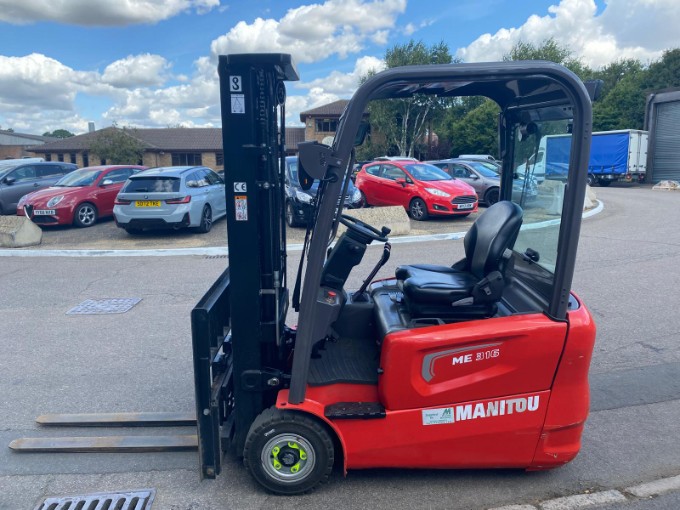
3 Wheel Counter Balance - Manitou - ME316
Capacity: 1600 Kgs
Lift Height: 4500 mm
Mast: 3 Stage Full Free
Fuel: Electric
Year: 2022
Status: In Stock
Stock ID: ZN-003369
Price: £15,000

3 Wheel Counter Balance - Manitou - ME316
Capacity: 1600 Kgs
Lift Height: 4500 mm
Mast: 2 Stage Full Free
Fuel: Electric
Year: 2022
Status: In Stock
Stock ID: 3370
Price: £13,000
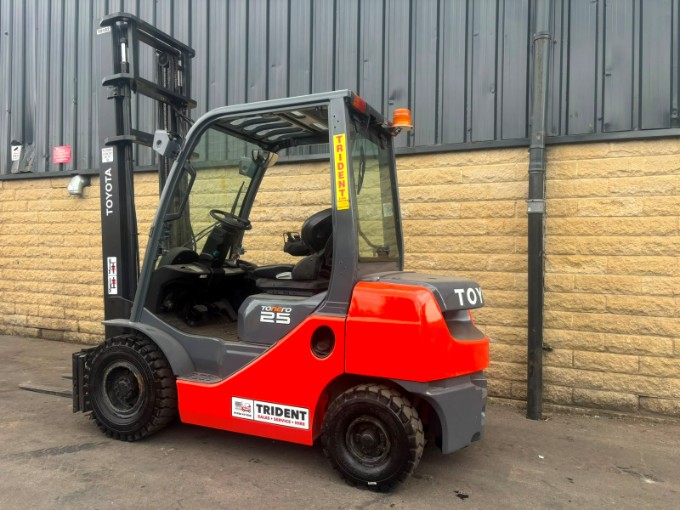
4 Wheel Counter Balance - Toyota - 02-8FDF25
Capacity: (TBA) Kgs
Lift Height: 4500 mm
Mast: 2 Stage
Fuel: Diesel
Year: (TBA)
Status: In Stock
Stock ID:
Price: £12,000
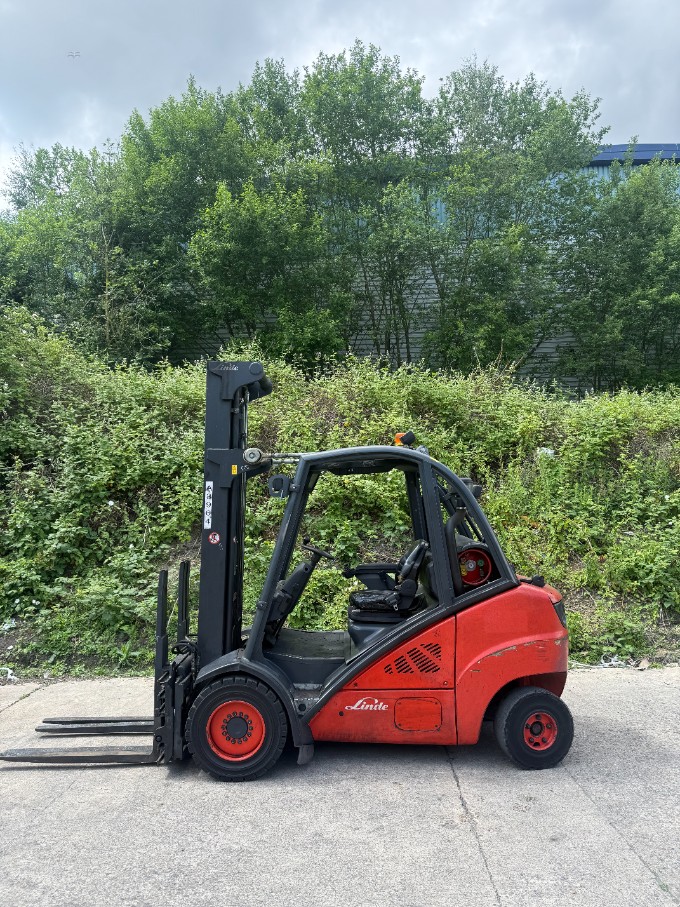
4 Wheel Counter Balance - Linde - H35T
Capacity: 3500 Kgs
Lift Height: 6450 mm
Mast: 2 Stage Full Free
Fuel: Gas
Year: 2008
Status: In Stock
Stock ID: 001
Price: £6,950
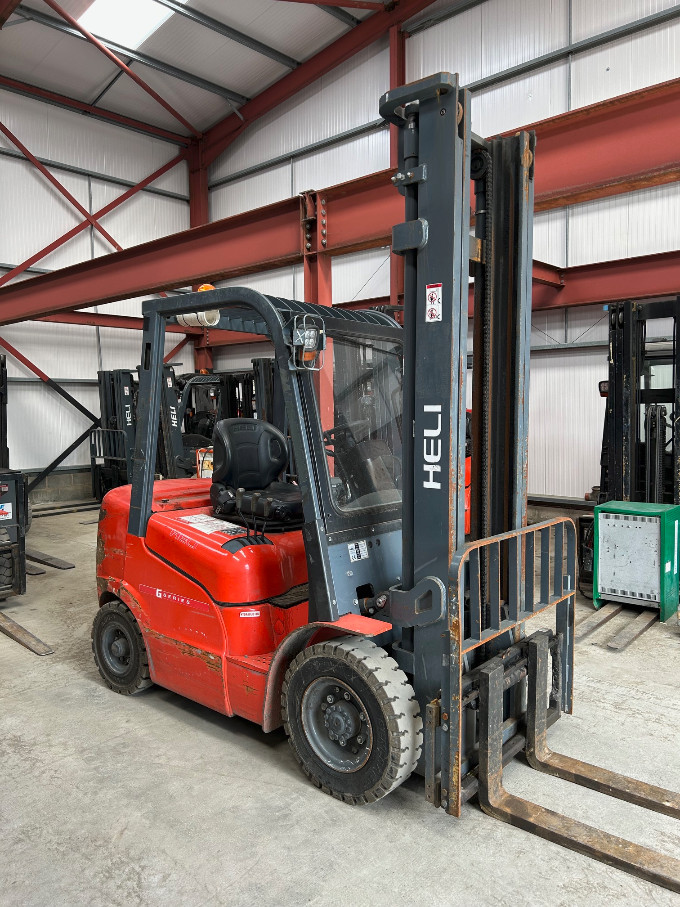
4 Wheel Counter Balance - Heli - FD25G
Capacity: 2500 Kgs
Lift Height: 4500 mm
Mast: 2 Stage
Fuel: Diesel
Year: 2020
Status: In Stock
Stock ID:
Price: £6,950
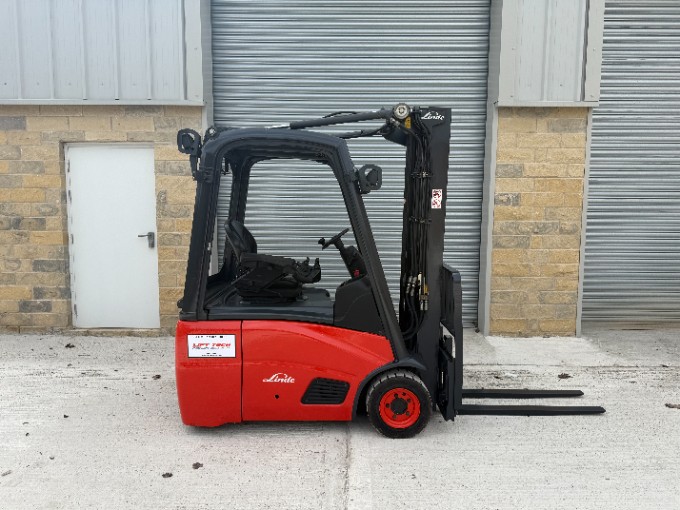
3 Wheel Counter Balance - Linde - E16C-02
Capacity: 1600 Kgs
Lift Height: 3200 mm
Mast: 2 Stage Full Free
Fuel: Electric
Year: 2014
Status: In Stock
Stock ID: 002
Price: £6,000
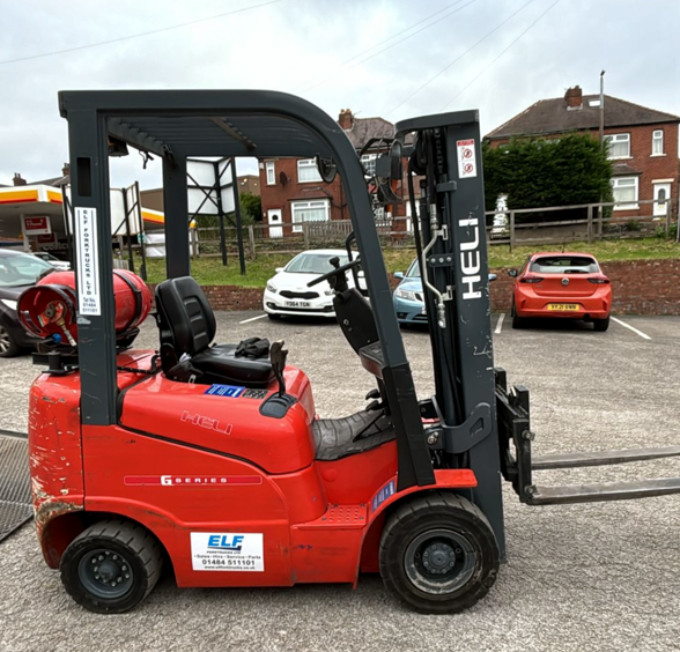
4 Wheel Counter Balance - Heli - FG18G
Capacity: 1800 Kgs
Lift Height: 4500 mm
Mast: 3 Stage Full Free
Fuel: Gas
Year: 2017
Status: In Stock
Stock ID:
Price: £5,500

4 Wheel Counter Balance - Mitsubishi - FG25N
Capacity: 2500 Kgs
Lift Height: 3700 mm
Mast: 2 Stage
Fuel: Gas
Year: 2016
Status: In Stock
Stock ID: Jof SB6690
Price: £9,950

3 Wheel Counter Balance - Kelvin - Mini 10
Capacity: 1000 Kgs
Lift Height: 3000 mm
Mast: 2 Stage
Fuel: Electric
Year: 2026
Status: In Stock
Stock ID: KELVIN
Price: £8,999
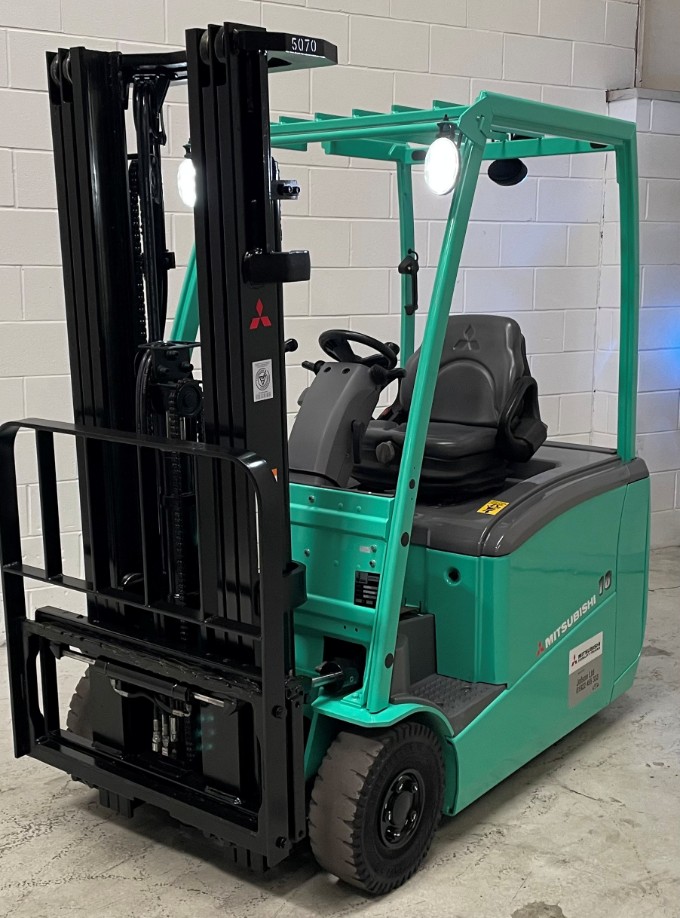
3 Wheel Counter Balance - Mitsubishi - FB18PNT
Capacity: 1800 Kgs
Lift Height: 4750 mm
Mast: 3 Stage Full Free
Fuel: Electric
Year: 2015
Status: In Stock
Stock ID: Jof SB5070
Price: £12,500

4 Wheel Counter Balance - Ausa - C300H
Capacity: 3000 Kgs
Lift Height: 3700 mm
Mast: 3 Stage Full Free
Fuel: Diesel
Year: 2019
Status: In Stock
Stock ID:
Price: £21,500
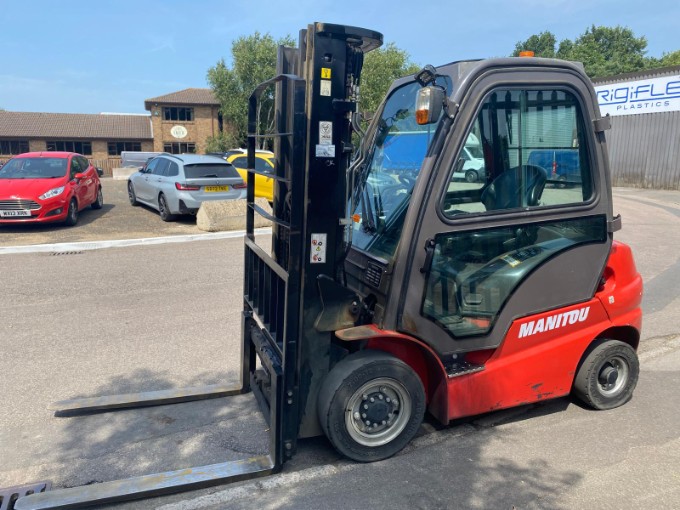
4 Wheel Counter Balance - Manitou - Mi25D
Capacity: 2500 Kgs
Lift Height: 4700 mm
Mast: 3 Stage Full Free
Fuel: Diesel
Year: 2021
Status: In Stock
Stock ID: 15571
Price: £14,500
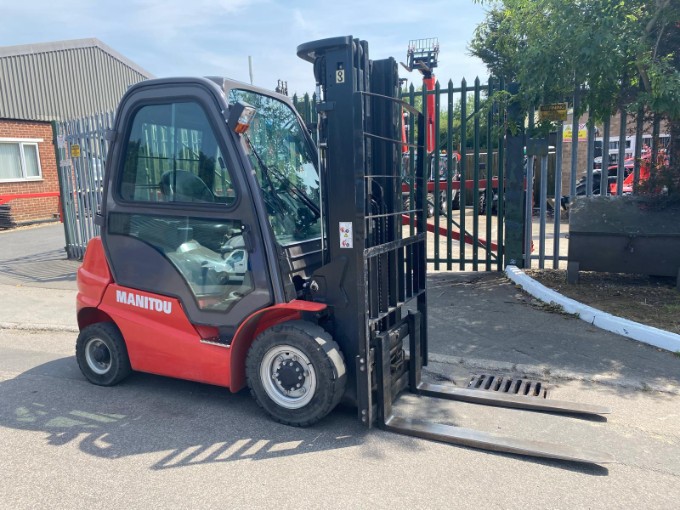
4 Wheel Counter Balance - Manitou - Mi25D
Capacity: 2500 Kgs
Lift Height: 4700 mm
Mast: 3 Stage Full Free
Fuel: Diesel
Year: 2021
Status: In Stock
Stock ID: 15570
Price: £15,500
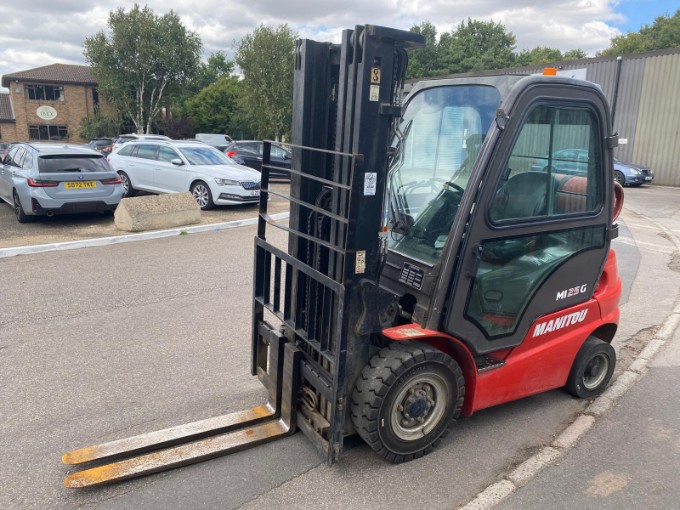
4 Wheel Counter Balance - Manitou - Mi25G
Capacity: 2500 Kgs
Lift Height: 4700 mm
Mast: 3 Stage Full Free
Fuel: Diesel
Year: 2016
Status: In Stock
Stock ID: 15569
Price: £10,500

3 Wheel Counter Balance - Combi - C2500LR
Capacity: 2500 Kgs
Lift Height: 3200 mm
Mast: 2 Stage
Fuel: Diesel
Year: 2018
Status: In Stock
Stock ID: A8528
Price: £15,500
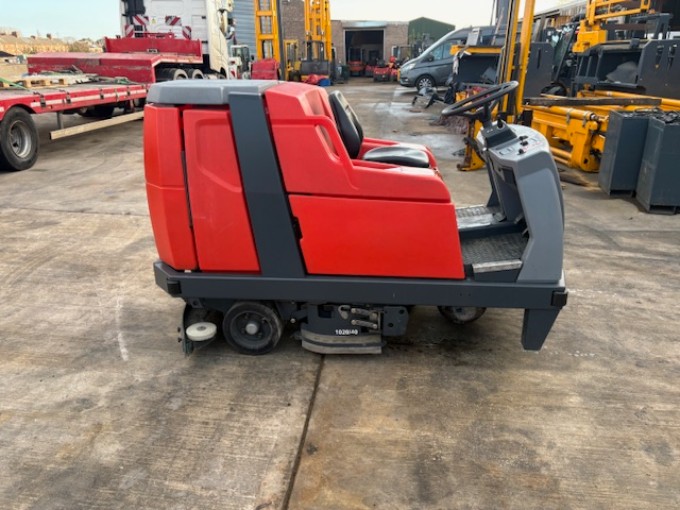
Scrubber - Other - B310R
Capacity: (TBA) Kgs
Mast: (TBA)
Fuel: Electric
Year: 2017
Status: In Stock
Stock ID: 010
Price: £2,000
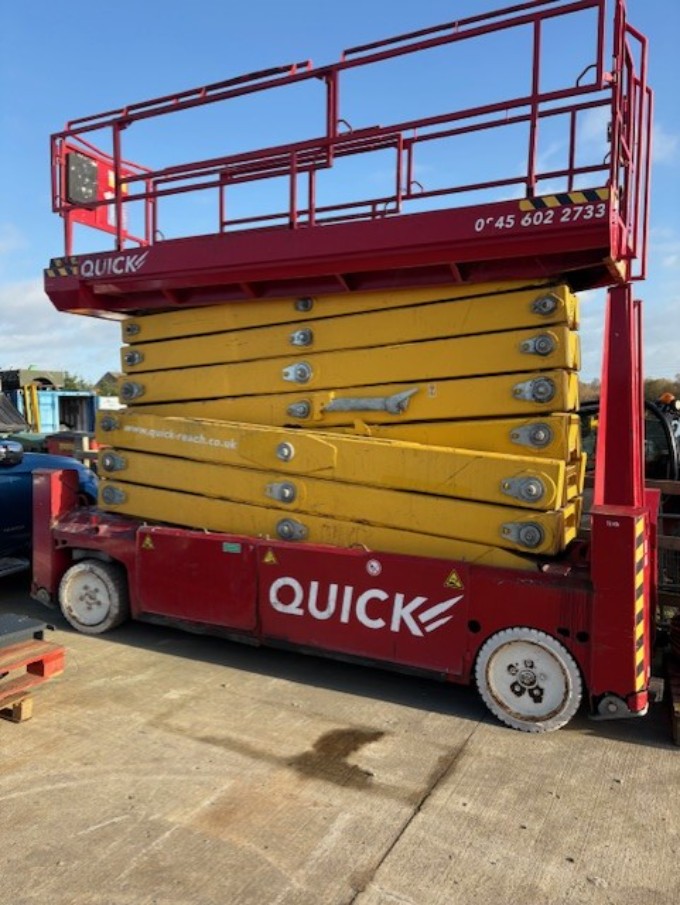
Scissor Lift - Other - PB S225-12 ES
Capacity: (TBA) Kgs
Lift Height: 22000 mm
Mast: N/A
Fuel: Diesel
Year: 2013
Status: In Stock
Stock ID: 011
Price: £16,000
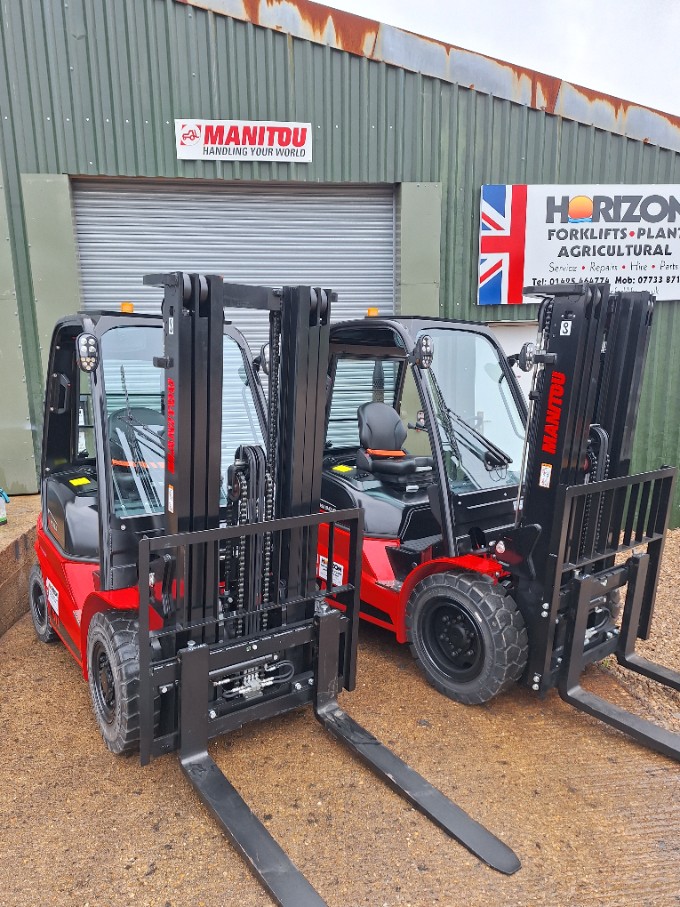
4 Wheel Counter Balance - Manitou - MI25D
Capacity: 2500 Kgs
Lift Height: 4800 mm
Mast: 3 Stage Full Free
Fuel: Diesel
Year: 2025
Status: In Stock
Stock ID: MI25D
Price: £23,000
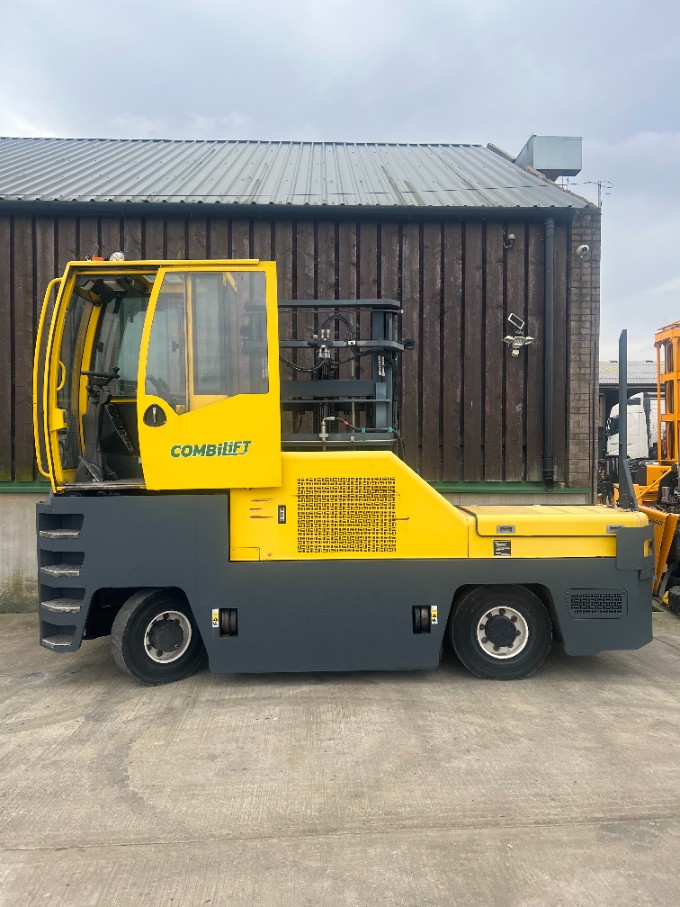
Other - Combi - COMBILIFT C6000FSL
Capacity: 6000 Kgs
Mast: 2 Stage
Fuel: Diesel
Year: 2019
Status: In Stock
Stock ID: 008
Price: £18,500
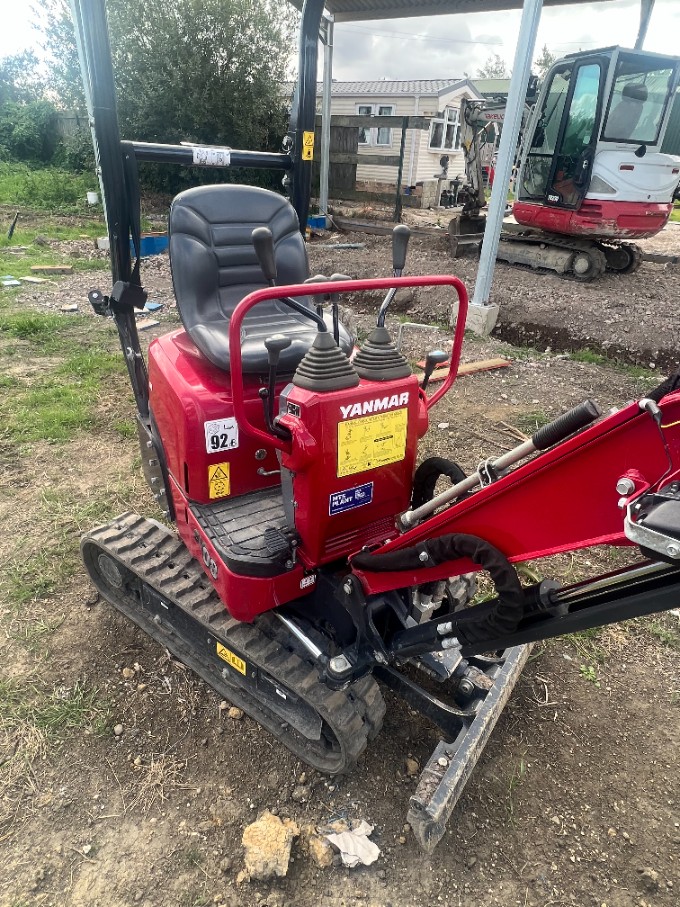
Other - Other - Yanmar SV08-1C
Capacity: (TBA) Kgs
Mast: N/A
Fuel: Diesel
Year: 2023
Status: In Stock
Stock ID: 002
Price: £13,500

Pallet Truck - Toyota - LWE200
Capacity: 2000 Kgs
Mast: N/A
Fuel: Electric
Year: 2020
Status: In Stock
Stock ID: 001
Price: £900
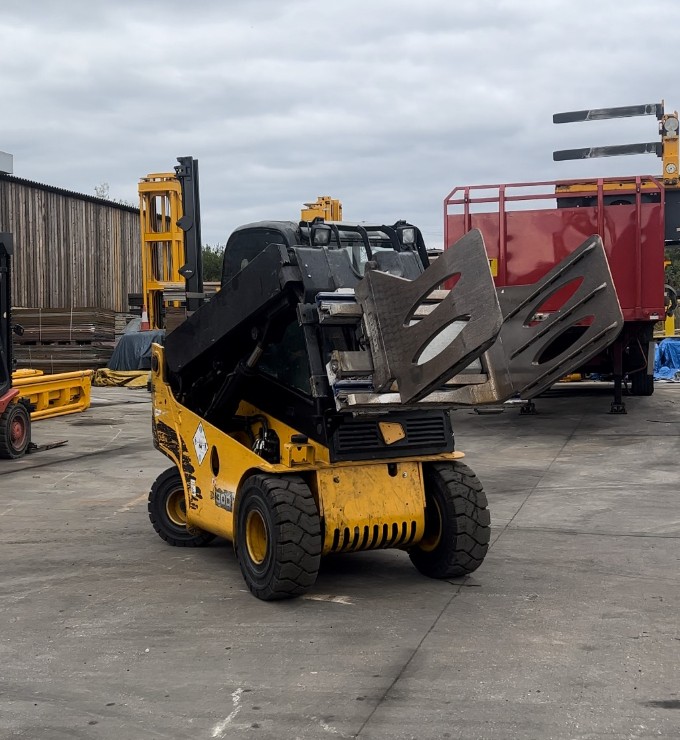
Telescopic Truck - JCB - 30D TLT
Capacity: 3000 Kgs
Mast: Telescopic
Fuel: Diesel
Year: 2007
Status: In Stock
Stock ID: 003
Price: £10,500
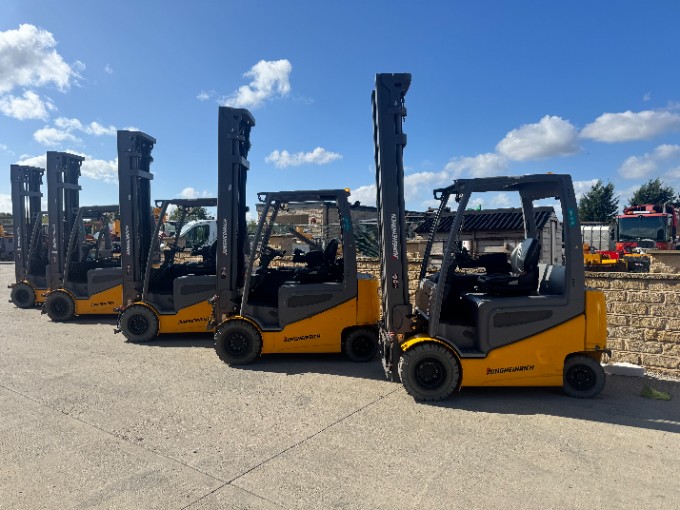
4 Wheel Counter Balance - Jungheinrich - EFG 425k 750DZ
Capacity: 2500 Kgs
Lift Height: 7500 mm
Mast: N/A
Fuel: Electric
Year: 2019
Status: In Stock
Stock ID: 004
Price: £14,500
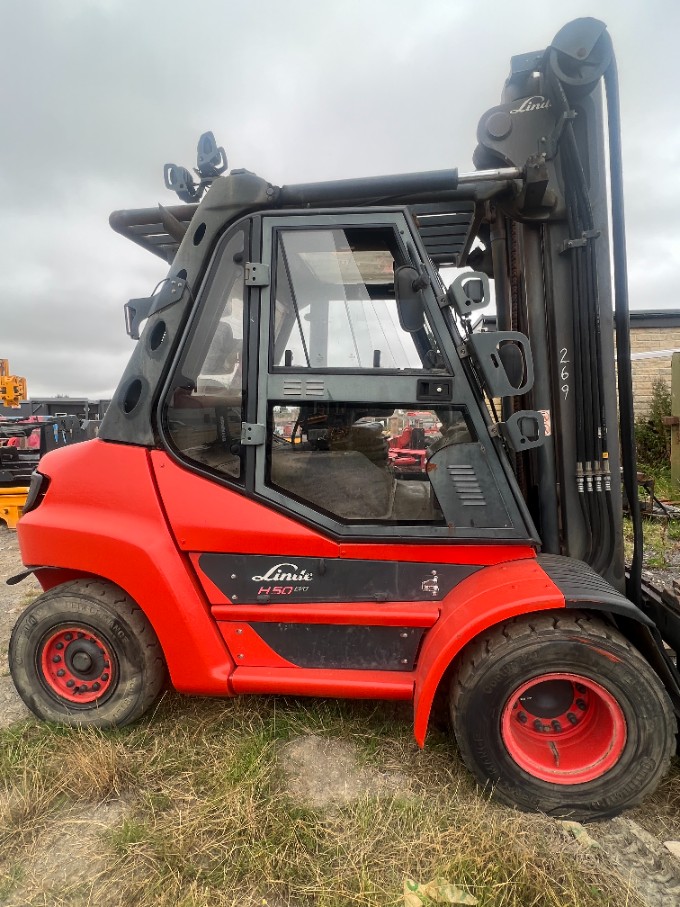
4 Wheel Counter Balance - Linde - H50D
Capacity: 5000 Kgs
Lift Height: 4550 mm
Mast: N/A
Fuel: Diesel
Year: (TBA)
Status: In Stock
Stock ID: LI5T
Price: £20,000

4 Wheel Counter Balance - Caterpillar - GP18N
Capacity: 1800 Kgs
Lift Height: 3700 mm
Mast: 2 Stage
Fuel: Gas
Year: 2016
Status: In Stock
Stock ID: Jof SB7039
Price: £11,450
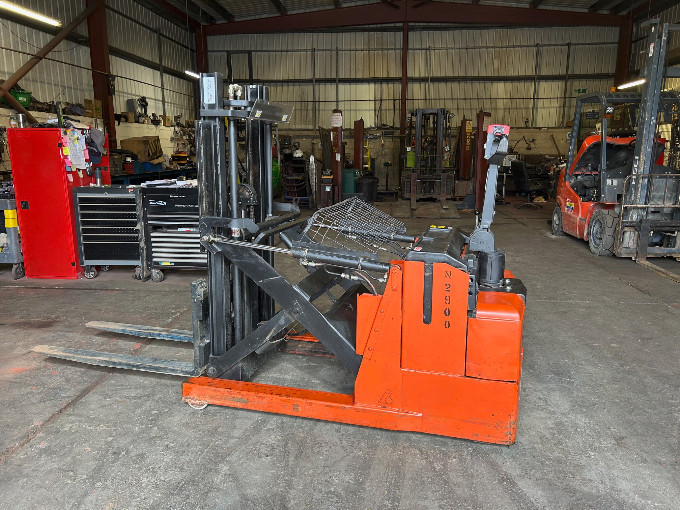
Pedestrian Forktruck - BT Rolatruc - LSR1200
Capacity: 1200 Kgs
Lift Height: 2500 mm
Mast: 2 Stage Full Free
Fuel: Electric
Year: 2004
Status: In Stock
Stock ID:
Price: £1,250